
2026 eCommerce Playbook: The Year of AI-Powered Shopping
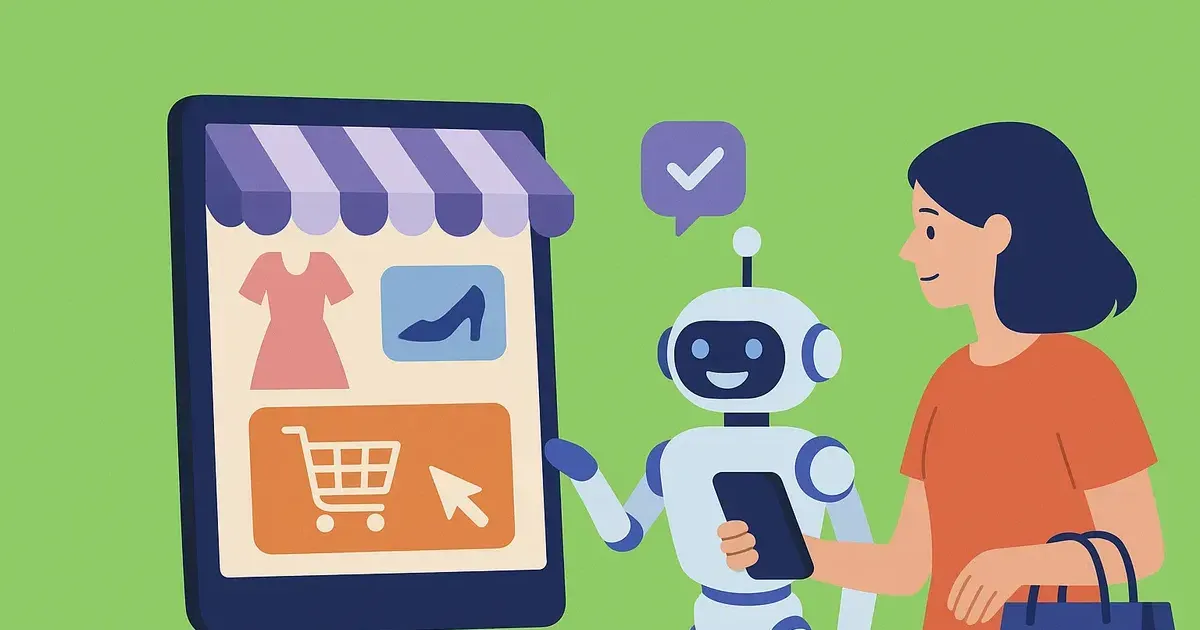
2025 was the year artificial intelligence stopped being just a buzzword and started showing up in real shopping experiences. If you run a Shopify store, you've probably noticed the shift. ChatGPT now helps people find and even buy products right inside a chat. Google is rolling out AI-powered shopping results. And customers are starting to expect personalised, instant answers before they ever click "Add to Cart."
As we head into 2026, eCommerce is about to feel different again, faster, smarter, and a lot more conversational. The good news is that small Shopify businesses are perfectly positioned to benefit from this next wave. Let's look at where things stand, what changed this year, and what you can do now to get ahead.
The eCommerce Landscape Heading Into 2026
Shoppers are more connected than ever, but their attention is scattered across multiple channels.
- Marketplaces like Amazon and eBay still dominate because they make it easy to compare and buy quickly.
- Search engines like Google are still key for product discovery, but AI summaries are starting to reshape how results appear.
- Social commerce has exploded, especially through TikTok Shop and Instagram Shopping. These platforms turn entertainment into buying moments.
- Direct-to-consumer (DTC) brands using Shopify continue to grow because they own their brand, their data, and their customer relationships.
The common thread across all of these channels is that shoppers want less friction. They want fewer clicks, faster answers, and more personal recommendations. They no longer want to sift through endless pages of products. This is why AI, especially conversational AI, is becoming the next big distribution layer in eCommerce.
What Changed in 2025: AI Shopping Arrived
2025 marked a turning point. OpenAI rolled out ChatGPT's instant checkout feature and partnered with Shopify and Etsy. Suddenly, shoppers could ask a question like "Find me a ceramic mug under $40 from a small business" and instantly see options pulled from real Shopify and Etsy stores.
And here's the most important part: they can now buy directly inside ChatGPT. No extra tabs. No cart redirects. Just ask, browse, and buy - all in one place.
For small business owners, this is huge. Until now, getting discovered online meant competing for Google rankings or paying for ads on social media. With ChatGPT, your products can show up organically in AI-powered recommendations if your listings are relevant and well described. That levels the playing field.
Etsy's early involvement also showed how AI shopping can work for smaller creative sellers, not just big brands. Handcrafted products, unique gifts, and niche stores all have a chance to shine when AI focuses on relevance and quality instead of ad budgets.
Meanwhile, Google and Amazon have started introducing their own AI shopping assistants, and TikTok continues to grow its social shopping features. But ChatGPT's move stands out because it's platform-neutral. It's not a marketplace or a social network. It's a new kind of gateway between shoppers and stores.
What to Expect in 2026: AI Shopping Takes Off
AI shopping is about to move from "new and exciting" to "everywhere."
In 2026, shoppers will expect to have conversations with AI assistants on ChatGPT, on Google Gemini, or even directly within Shopify stores. They'll ask open-ended questions like "What's a thoughtful Valentine's gift under $100?" or "I need eco-friendly kitchen tools," and expect instant, curated answers.
This is where a new concept is taking off: Generative Engine Optimisation (GEO). It's like SEO, but for AI. Instead of optimising for search engines, you're optimising so AI tools understand and recommend your products accurately.
Here's what else to expect next year:
- Shopify will deepen its AI integrations. Shopify already connects with ChatGPT through its checkout and data feed. Expect new tools that help you personalise product suggestions or automate marketing copy.
- Social commerce meets AI. TikTok, Instagram, and Pinterest are experimenting with AI-powered product tagging and search. We may soon see ChatGPT or similar tools connect directly with those platforms.
- Consumer behaviour will keep evolving. People will rely on AI for the "research and recommendation" phase, then buy from the brand that feels most authentic and trustworthy. Discover practical tools to engage customers at every stage of the journey here.
For small business owners, this shift is full of opportunity. You can adapt faster than big brands, experiment with tools as they appear, and turn authenticity into your advantage.
Strategies and Actions for Shopify Store Owners in 2026
Short-Term Actions (Q1–Q2 2026)
Make your product data AI-friendly
Go through your product titles and descriptions and make sure they're written in plain, conversational language. Think about how someone would ask ChatGPT for your product.
Instead of "Stoneware Mug – Blue," try "Handmade blue stoneware mug, perfect for coffee lovers." Include details, benefits, and everyday phrases that sound natural.
Check your Shopify integrations
Shopify's AI features are expanding quickly. Make sure your store has clean data feeds (title, price, stock, and images) so tools like ChatGPT can access them easily. If you get early access to ChatGPT's shopping features, activate them.
Refresh your visuals and reviews
High-quality photos and solid reviews still matter. AI tools often highlight visuals and ratings when showing product results. Encourage happy customers to leave reviews and show off your products in use.
Try conversational marketing
Add an AI chatbot or FAQ assistant on your site to answer common questions. Shopify apps can handle this easily. It helps customers get faster answers and builds confidence to buy.
Start tracking AI-driven traffic
Keep an eye out for referrals from ChatGPT or Gemini. If you notice sales or inquiries coming from new sources, track them. This data will help you understand where your early AI-driven customers come from.
Long-Term Strategies (2026–2027 and Beyond)
Strengthen your brand story
AI tools are great at pulling facts, but they also look for trust signals. Make sure your brand story is clear: who you are, what you stand for, and why your products matter. Blog about your process, share your values, and highlight your authenticity.
Optimise for generative AI
Keep your product info detailed, structured, and updated. Use Shopify apps that support schema markup and structured data. These help AI platforms "read" your catalog correctly.
Embrace Shopify's AI tools
Shopify Magic and Sidekick can already write product descriptions, emails, and help you manage operations. Use them to save time and focus on customer engagement and retention.
Keep customers close
Even if AI brings new shoppers your way, your long-term success still depends on relationships. Build email lists, loyalty programs, and great post-purchase experiences so customers come back for you, not just for the algorithm.
Stay flexible and curious
The next few years will move quickly. AI commerce will evolve, and new tools will appear. Set aside time each quarter to test something new, whether it's AI-generated content, smart product recommendations, or fresh ad creative.
Wrapping Up: Turning AI Into Opportunity
AI isn't here to replace small businesses. It's here to make discovery easier, reduce friction, and reward brands that create real value. For independent Shopify owners, that's good news.
Think of AI as your new marketing partner who introduces your products to people who are already asking for what you sell. The key is to help it help you: write clearly, keep your data clean, and stay authentic.
2026 will be the year eCommerce becomes more human again, even if AI is behind the scenes. Shoppers will still care about story, quality, and connection, but they'll just find those things faster.
So start now. Make your store AI-ready, experiment with new tools, and focus on the one thing technology can't replace: the genuine connection between your brand and your customer.